
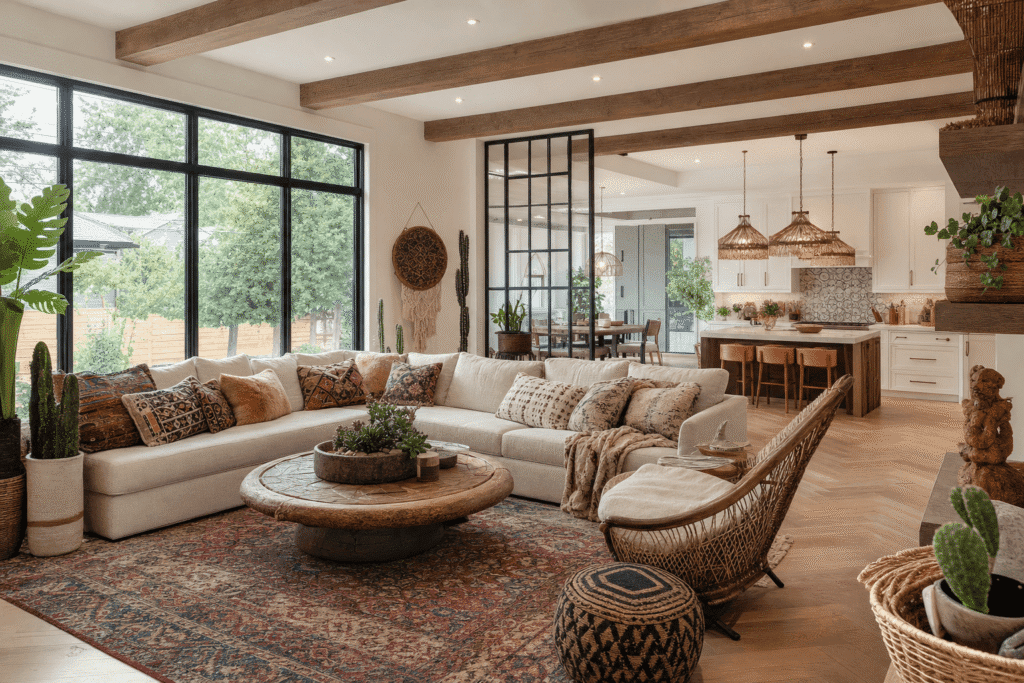
Most Toronto homeowners assume bohemian interior design means throwing random vintage pieces together until a room looks cluttered. That’s not boho — that’s chaos. What is bohemian interior design, really? It’s a curated layering of global textures, natural materials, and personal collections that reflect individuality while maintaining visual harmony. The style originated from 19th-century French artists who rejected conventional aesthetics, and today it offers homeowners in North York and across Ontario a flexible framework for expressing personality without sacrificing livability. Whether you’re renovating a century home or designing a custom build, bohemian principles adapt to any architectural context.
Understanding boho design matters because it directly affects how you allocate renovation budgets, choose materials, and plan spatial layouts. At Delvin Dream Homes, Dr. Faraz regularly guides clients through interior selections that balance aesthetic goals with structural realities like load-bearing walls and mechanical systems.
Core Elements That Define Bohemian Interior Design
Bohemian design rests on five foundational principles that distinguish it from other eclectic styles. These aren’t optional accessories — they’re structural requirements for authentic boho spaces.
Layered textiles form the backbone. Think Moroccan rugs layered over sisal, velvet cushions mixed with printed cotton, macramé wall hangings beside woven tapestries. The goal is tactile richness, not pattern overload.
Natural materials dominate every surface. Rattan furniture, jute rugs, wooden beams, leather poufs, stone planters — bohemian interiors reject synthetic finishes in favor of materials that age visibly. When planning interior design services for custom homes across Toronto, Dr. Faraz often specifies reclaimed wood and exposed brick to establish this organic foundation before any furnishings arrive.
Global influences appear through intentional curation, not tourist souvenirs. A Berber wedding blanket carries more weight than a mass-produced “ethnic” pillow. Authentic pieces tell stories — Japanese ceramics, Indian block prints, Turkish kilims — and they’re displayed with space to breathe.
Abundant plant life isn’t decorative filler. Bohemian spaces incorporate greenery at multiple heights: floor plants in corners, trailing pothos on shelves, herbs in kitchen windows. This biophilic element softens hard edges and improves air quality, which matters in newer airtight construction popular throughout Ontario.
Color Palettes and Pattern Mixing in Boho Spaces
Bohemian color theory defies conventional interior design rules about limiting accent colors. The style embraces rich, earthy tones — terracotta, ochre, deep teal, burnt sienna — anchored by neutral bases like cream, beige, and warm gray.
Pattern mixing follows one critical rule: vary the scale. Pair large-scale florals with small geometric prints. Combine bold tribal patterns with subtle textures. The visual weight must balance across the room, not compete in a single sightline.
Jewel tones add depth without overwhelming spaces. Emerald velvet, sapphire textiles, ruby accent walls — these saturated hues work when surrounded by enough neutral breathing room. In North York projects, Dr. Faraz typically recommends testing bold paint colors on movable panels before committing to permanent application, especially in rooms with limited natural light.
Metallics appear through aged finishes, not polished chrome. Brass candleholders, copper planters, wrought iron light fixtures — these elements introduce warmth and reflect light without the sterile feel of modern metals. The patina matters as much as the metal itself.
Expert Tip from Delvin Dream Homes
When selecting paint colors for bohemian spaces, test samples in both natural and artificial light. Toronto’s gray winters dramatically shift how warm tones read, especially in north-facing rooms where we often specify warmer undertones to compensate.
Furniture Selection and Spatial Arrangement
Bohemian furniture defies matching sets. Mix vintage pieces with contemporary frames. Combine low-profile seating with tall bookcases. The arrangement prioritizes conversation zones over formal symmetry.
Low seating creates intimacy. Floor cushions, poufs, and daybeds encourage relaxed gathering. This works particularly well in Toronto basement renovations where ceiling heights might limit standard furniture scales. At Delvin Dream Homes, we’ve designed multiple legal basement spaces that incorporate bohemian seating to maximize both headroom and comfort.
Statement pieces anchor each room. A carved wooden headboard, a Persian rug, a mid-century credenza — these focal points establish visual hierarchy while smaller elements layer around them. Without this anchor, bohemian spaces read as cluttered rather than curated.
Flexible furniture adapts to changing needs. Nesting tables, modular seating, movable screens — these pieces support the bohemian principle of evolution. Your space should shift as your collections grow, not remain static.
Vintage and handmade items outweigh mass-produced furniture. Estate sales, artisan markets, and antique shops yield pieces with character that manufactured goods lack. This approach also supports sustainable design principles increasingly important to Ontario homeowners considering long-term value.
Lighting Design for Bohemian Atmospheres
Bohemian lighting rejects harsh overhead fixtures in favor of layered ambient sources. The goal is warm, dappled light that shifts throughout the day.
Multiple light sources at varying heights create depth. Floor lamps in corners, table lamps on surfaces, string lights along shelves, candles on mantels — this approach eliminates stark shadows while adding visual interest. We typically specify at least five separate lighting zones in bohemian-inspired custom homes throughout the Greater Toronto Area.
Natural materials extend to fixtures. Rattan pendants, bamboo floor lamps, fabric drum shades, paper lanterns — these diffuse light softly while reinforcing the organic material palette. Metal fixtures appear in aged finishes like oil-rubbed bronze or antique brass, never polished nickel.
Dimmers control intensity and mood. Every light source benefits from dimming capability, allowing spaces to transition from bright morning energy to cozy evening ambiance. This flexibility matters in open-concept layouts common in modern Toronto construction, where one lighting scheme must serve multiple functions.
Candles and fire elements add warmth beyond illumination. Clustered pillar candles, lanterns with votives, wood-burning fireplaces — these features introduce movement and scent alongside light. Building codes in Ontario require specific clearances for open flame sources, which Dr. Faraz incorporates during initial design phases rather than as afterthoughts.
DELVIN DREAM HOMES
Ready to build your dream home?
Get a free consultation with Dr. Faraz and our expert team to discuss your project vision, budget, and timeline.
Textile Layering Techniques and Material Selection
Textile layering separates authentic bohemian design from surface-level attempts. This isn’t about quantity — it’s about purposeful combination of weights, textures, and weaves.
Start with foundational layers. A jute or sisal rug establishes the base texture, then layer a smaller vintage rug with pattern and color on top. This creates visual depth while defining conversation zones within larger rooms.
Throws and cushions build in waves. Begin with neutral linen or cotton, add patterned pillows in coordinating tones, finish with textured elements like velvet or faux fur. Aim for odd numbers — three, five, or seven cushions read more naturally than even groupings.
Window treatments embrace softness over structure. Flowing linen curtains, bamboo blinds, macramé hangings — these filter light while maintaining privacy. In Toronto’s climate, thermal backing on curtains serves practical insulation purposes without compromising the relaxed aesthetic.
Wall textiles replace traditional art in many applications. Vintage tapestries, woven wall hangings, framed textiles — these add warmth and sound absorption while showcasing craftsmanship. When working with clients on renovation projects, Delvin Dream Homes often suggests textile installations as cost-effective alternatives to extensive millwork.
Quality matters more than quantity. One handwoven Moroccan blanket carries more impact than ten machine-made throws. Invest in pieces you’ll keep for decades, not seasonal trends you’ll discard.
Expert Tip from Delvin Dream Homes
Layer rugs after furniture placement, not before. We’ve seen countless Toronto homeowners purchase beautiful rugs that don’t fit their actual traffic patterns. Furniture first, then rugs sized to anchor each grouping properly within the room’s flow.
Displaying Collections and Personal Objects
Bohemian design celebrates personal collections as primary decor. Books, ceramics, vintage cameras, musical instruments — these objects reveal personality while filling spaces with meaning.
Open shelving displays curated collections. Mix books with plants, ceramics with small art pieces, baskets with treasured objects. Vary heights and create negative space — not every surface needs filling. About 30% empty space prevents visual overwhelm.
Gallery walls follow organic arrangements, not rigid grids. Mix frame sizes, styles, and contents. Combine photographs with botanical prints, mirrors with small textiles. The overall shape matters more than individual alignment — aim for balanced mass, not perfect symmetry.
Functional objects become decor. Vintage scales, antique tools, musical instruments, cameras — display items you actually use or that reflect genuine interests. Authenticity shows, and so does staging.
Rotate collections seasonally. Bohemian spaces evolve constantly. Store some items while displaying others, refresh arrangements quarterly, add new finds gradually. This keeps spaces feeling alive rather than static, which aligns with the style’s artistic origins.
Adapting Bohemian Design to Toronto Climate and Architecture
Implementing bohemian design in Ontario requires climate-aware material choices and spatial planning that respects local building realities.
Heating considerations affect textile selections. While lightweight cotton works year-round, heavier velvets and wools add necessary warmth during Toronto’s long winters. Layer textiles seasonally — swap linen throws for wool blankets, cotton cushions for velvet, sisal rugs for sheepskin accents.
Heritage architecture presents unique opportunities. Victorian homes, Edwardian semis, century cottages — these structures already feature the high ceilings, architectural details, and natural materials that complement bohemian aesthetics. Dr. Faraz regularly works with clients preserving original woodwork and plaster while updating mechanical systems to modern standards.
Modern construction requires intentional texture. Newer builds often feature smooth drywall and minimal architectural detail. Incorporate texture through exposed brick accents, wood beam installations, or textured plaster treatments during construction rather than attempting to add character afterward through decor alone.
Natural light varies dramatically by season. South-facing rooms flood with light summer through fall but feel dim during winter months. North-facing spaces remain consistently cool-toned year-round. Plan color palettes and lighting layers accordingly, testing materials in the specific orientation of your rooms.
Humidity control protects natural materials. Toronto’s humid summers and dry winters stress wood, leather, and textiles. Maintain consistent indoor humidity between 30-50% to prevent cracking, warping, and degradation. This matters particularly in newer airtight construction where mechanical ventilation systems require proper balancing.
Key Takeaways
- Layer natural materials and textiles to create authentic bohemian depth and warmth
- Mix global patterns at varied scales while maintaining neutral base tones
- Choose vintage and handmade furniture over matching sets for genuine character
- Install multiple ambient light sources at different heights for flexible atmosphere
- Display personal collections with intentional spacing and regular rotation for evolution
- Adapt material choices to Toronto’s climate with seasonal textile layering strategies
Frequently Asked Questions
Bohemian interior design offers Toronto homeowners a sustainable, personal alternative to trend-driven decorating. The style’s emphasis on natural materials, handmade objects, and gradual collection-building aligns with both environmental consciousness and budget flexibility. Unlike styles that demand complete room refreshes every few years, bohemian spaces evolve organically as your tastes and collections grow.
Whether you’re planning a complete custom home or refreshing existing spaces, Delvin Dream Homes brings both design expertise and construction knowledge to every project. Dr. Faraz and our team can help you integrate bohemian aesthetic goals with structural realities, building code requirements, and long-term functionality. Get a free consultation to discuss how bohemian design principles can enhance your next renovation or custom build across Ontario.
